Thai Baht Currency Converter
Live exchange rates for the Thai Baht (THB), plus a practical guide to spending money in Thailand — where to exchange cash, ATM fees, cards vs cash, and scams to avoid. Ready to spend it? Browse the Bangkok directory by district or the full business directory. Running a site of your own? The same rate card is available as a copy-paste embed, alongside PM2.5, weather and festival countdowns.
Rates from the European Central Bank, updated 2026-10-14. Reference rates only — banks and exchange counters add their own margin.
Quick reference
| THB | EUR | USD | GBP |
|---|---|---|---|
| ฿100 | 2.66 | 2.98 | 2.25 |
| ฿500 | 13.30 | 14.89 | 11.23 |
| ฿1,000 | 26.60 | 29.78 | 22.45 |
| ฿5,000 | 133.00 | 148.90 | 112.25 |
| Amount | EUR → THB | USD → THB |
|---|---|---|
| 10 | ฿375.94 | ฿335.80 |
| 50 | ฿1,879.70 | ฿1,678.98 |
| 100 | ฿3,759.40 | ฿3,357.96 |
Rates from the European Central Bank, updated 2026-10-14. Also covers Australian Dollar (AUD), Japanese Yen (JPY), Chinese Yuan (CNY), South Korean Won (KRW), Indian Rupee (INR), Swiss Franc (CHF), Singapore Dollar (SGD), Hong Kong Dollar (HKD), Canadian Dollar (CAD) in the converter above.
Where to exchange money in Bangkok
Superrich and similar exchange booths usually give the best rates in the country. The two big orange- and green-branded chains — Superrich Thailand and Superrich 1965 — are separate companies with branches near BTS stations and in malls across the city; independent booths in tourist areas like Sukhumvit and Silom are often competitive too. It's worth comparing two or three boards before you commit, since rates can vary noticeably between operators on the same street.
Banks offer decent, if slightly worse, rates than the best exchange booths. You'll typically need to show your passport for larger amounts.
Airport counters at Suvarnabhumi and Don Mueang have by far the worst rates — often 5–10% below what you'd get in the city. Only exchange enough there to cover the taxi or train into town, and do the rest once you've arrived — the airport-to-city guide has what that ride costs from each terminal, so you know how little that is.
One more tip: larger banknotes (like $100 bills or €50/€100 notes) generally get a better rate per unit than small, worn, or older-series bills.
ATM withdrawals
Almost every Thai bank now charges foreign cards a flat fee for each withdrawal — commonly around 220 THB, on top of whatever your own bank charges for a foreign transaction. Because that fee doesn't change with the amount withdrawn, it pays to make fewer, larger withdrawals rather than pulling out small amounts every day or two.
Some travel-focused debit cards (multi-currency accounts like Wise or Revolut, for example) reimburse ATM fees or skip foreign transaction fees entirely — worth setting one up before your trip if you'll be withdrawing often.
Whenever an ATM (or a card machine in a shop) asks whether you'd like to be charged in your home currency or in THB, always choose THB. Accepting the foreign-currency option — known as Dynamic Currency Conversion — locks in a marked-up exchange rate that's almost always worse than your own bank's rate.
Cards vs cash
Cards are widely accepted at hotels, malls, chain restaurants and supermarkets, and contactless payment (including Apple Pay and Google Pay) works at most modern retailers and even many 7-Eleven branches.
Street food stalls, local markets, songthaews, and small family-run shops are usually cash-only, so keep a supply of smaller notes — 20, 50 and 100 THB bills — handy for everyday spending.
A practical mix: put bigger purchases and hotel bills on a card with low or no foreign transaction fees, and carry cash for markets, street food and taxis. For how much of that to draw in a week, the trip budget calculator works a daily figure out of the prices we hold for our own listings, and street food: what to order gives the 2026 price band for a plate.
Common money scams to avoid
- "The temple is closed today." A common opener from strangers trying to redirect you to a gem shop or tailor that pays them commission. Major temples don't close on a whim — politely ignore and carry on.
- "The meter is broken." Insist on the meter in a metered taxi, or skip the negotiation entirely and book through Grab, which shows the fare upfront.
- Headline exchange rates with hidden fees. Some booths advertise an eye-catching rate that only applies above a certain amount, or add a "service fee" at the counter. Ask for the exact THB total before handing over cash.
- Switched or fake notes. Count your change before walking away, especially in busy markets or from unmetered tuk-tuks.
- Unmetered tuk-tuks and taxis quoting inflated fares. Agree a price before you get in, or use Grab to avoid the negotiation altogether.
These five are the ones that cost money at the point of paying. The wider list — the rental booking deposit, the jet-ski damage claim, the off-app Grab cash request — is on common scams, counted against what people reported on r/Thailand in August 2026.
Malls with exchange counters
Superrich and the other licensed booths keep counters inside the big malls and beside BTS stations, which is what makes a mall the practical alternative to an airport counter. Filtered to shopping listings with 1,000 or more reviews — the mall end of the category rather than the corner-shop end: 94 listed in Bangkok under Shopping; the 6 shown here average 4.6 across 252,739 Google reviews.
 Featured
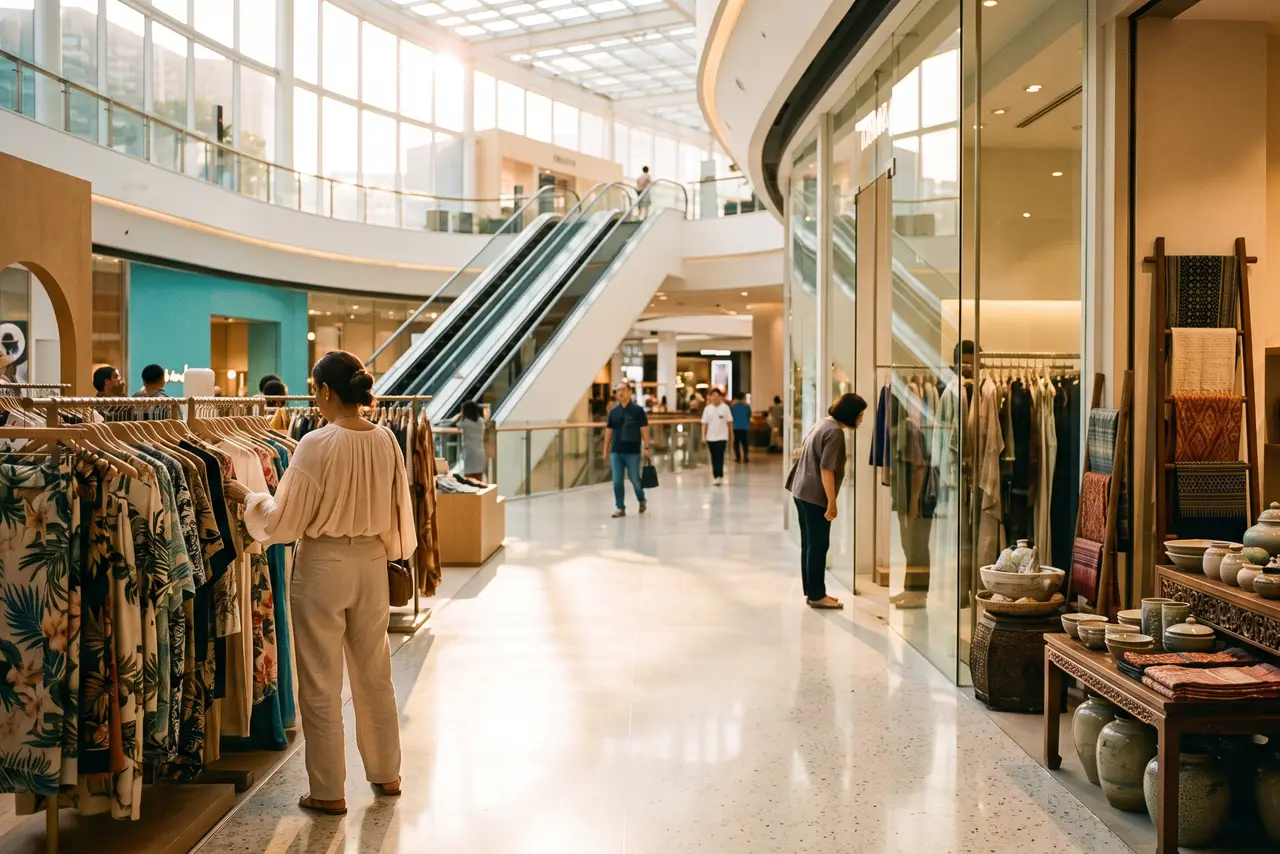
ICONSIAM
4.7Shopping · Riverside
฿฿฿
Mega-mall on the river with a famous indoor floating market, luxury brands and nightly fountain shows.
Stash BKK On Nut Cannabis Shop & Kratom
5.0Shopping · Phra Khanong & On Nut
Open 24huntil 00:00LGBTQ+ friendlyFree Wi-Fi
The Beacon Place on Sukhumvit 50 in Phra Khanong & On Nut houses this cannabis and kratom shop, earning a 5-star rating from 1,772 reviewers.
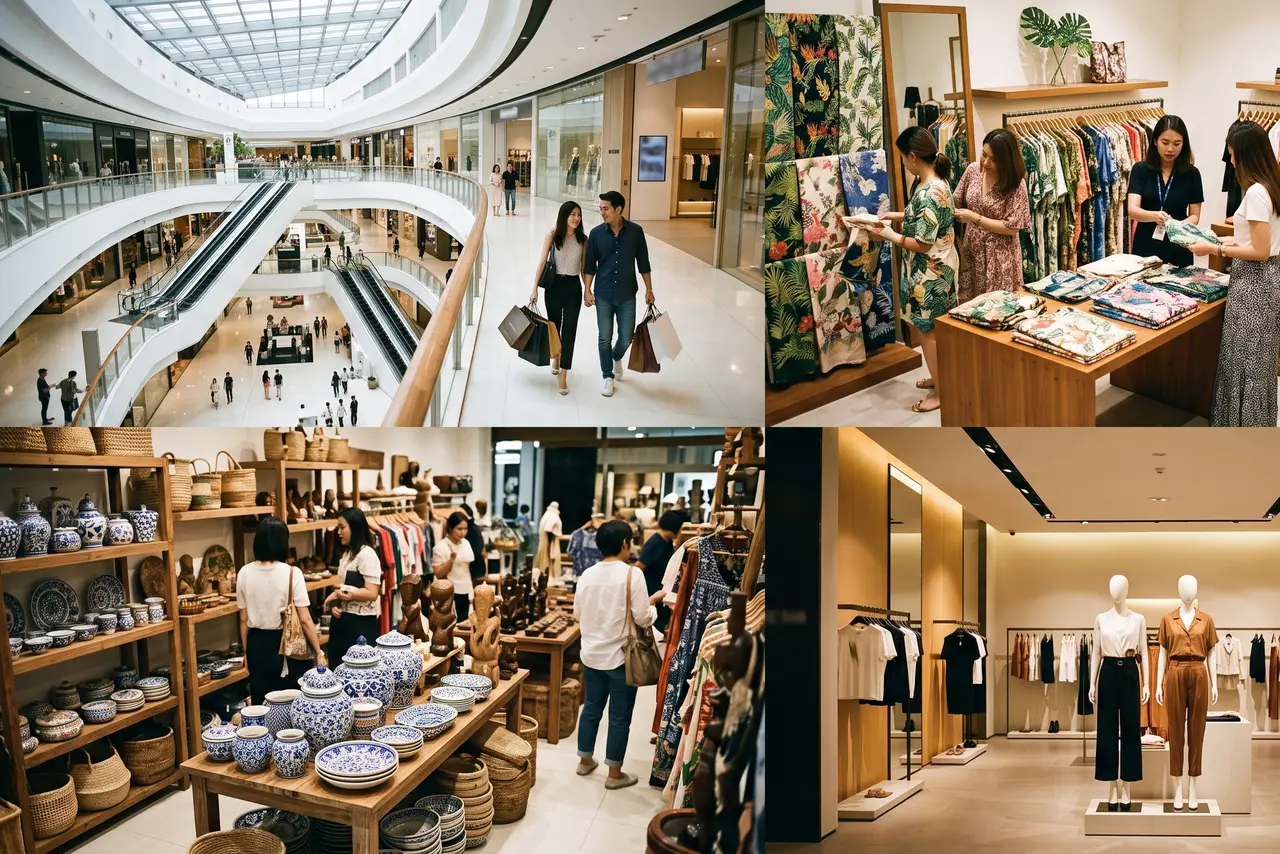
Siam Paragon
4.6Shopping · Siam (Pathum Wan)
฿฿฿
Bangkok's flagship luxury mall — designer flagships, a huge gourmet market and the Sea Life aquarium.
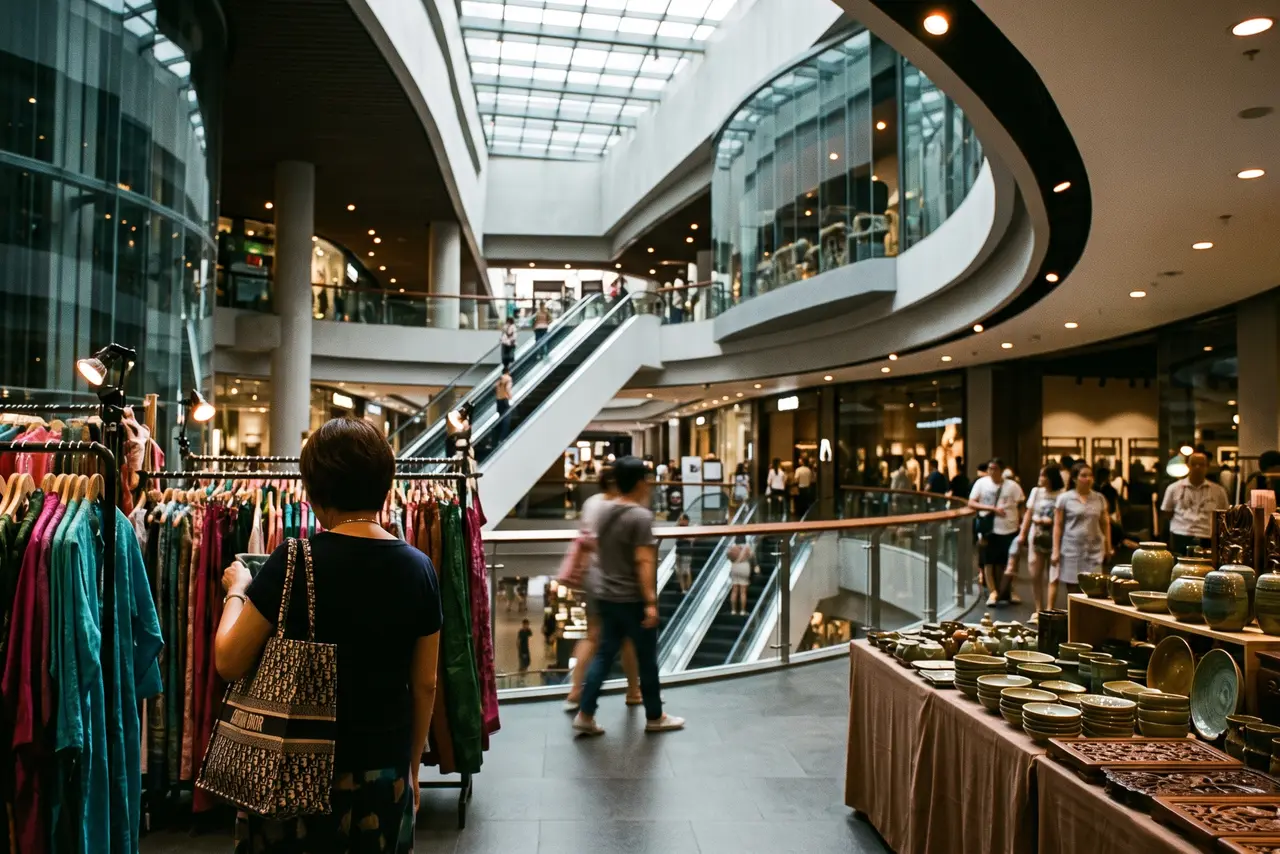
Terminal 21 Asok
4.6Shopping · Sukhumvit
Open nowuntil 22:00Step-free
Terminal 21 Asok in Sukhumvit is a shopping mall earning 4.6 stars from 21,071 customer reviews on Soi Sukhumvit 19.
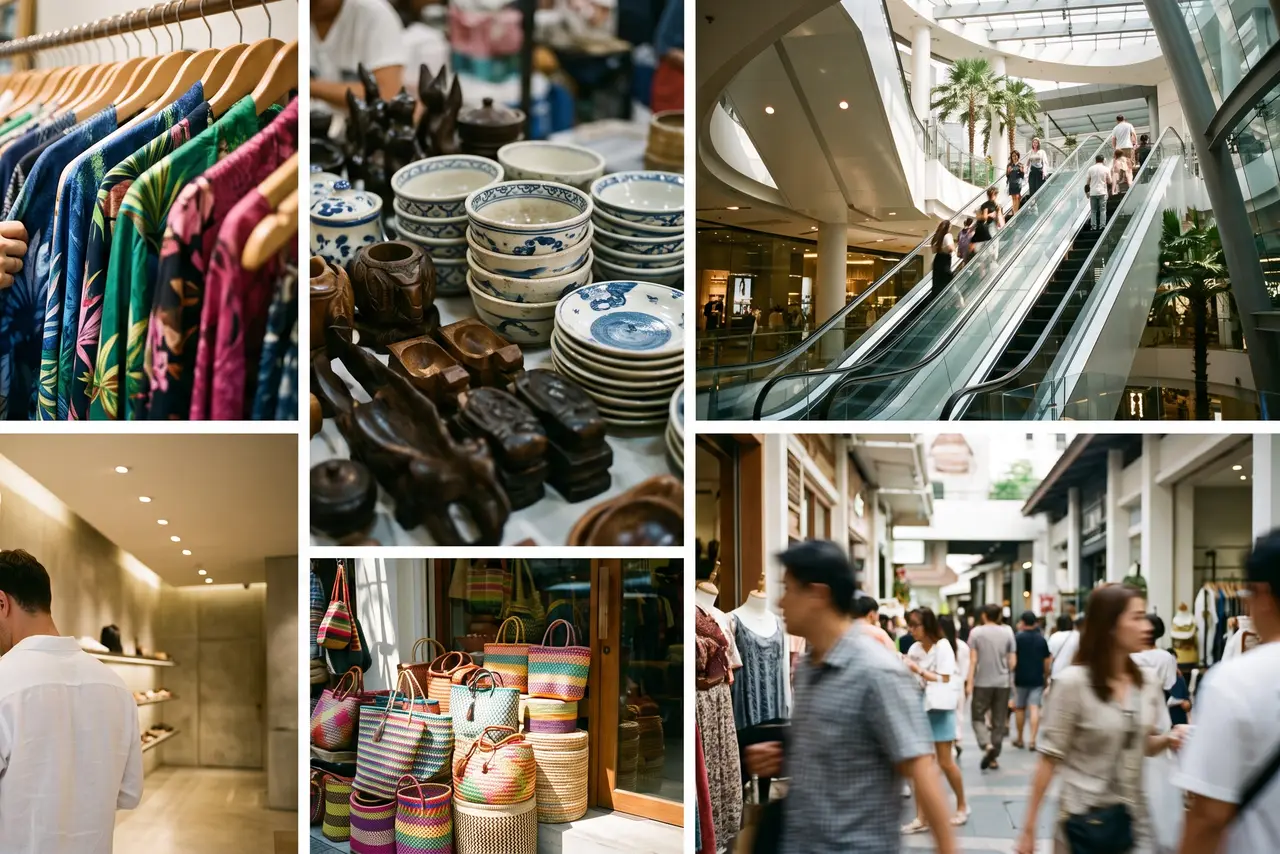
centralwOrld
4.5Shopping · Siam (Pathum Wan)
Open nowuntil 22:00Step-freeLGBTQ+ friendly
Shopping center with stores for beauty, fashion & technology, plus dining & family activities.
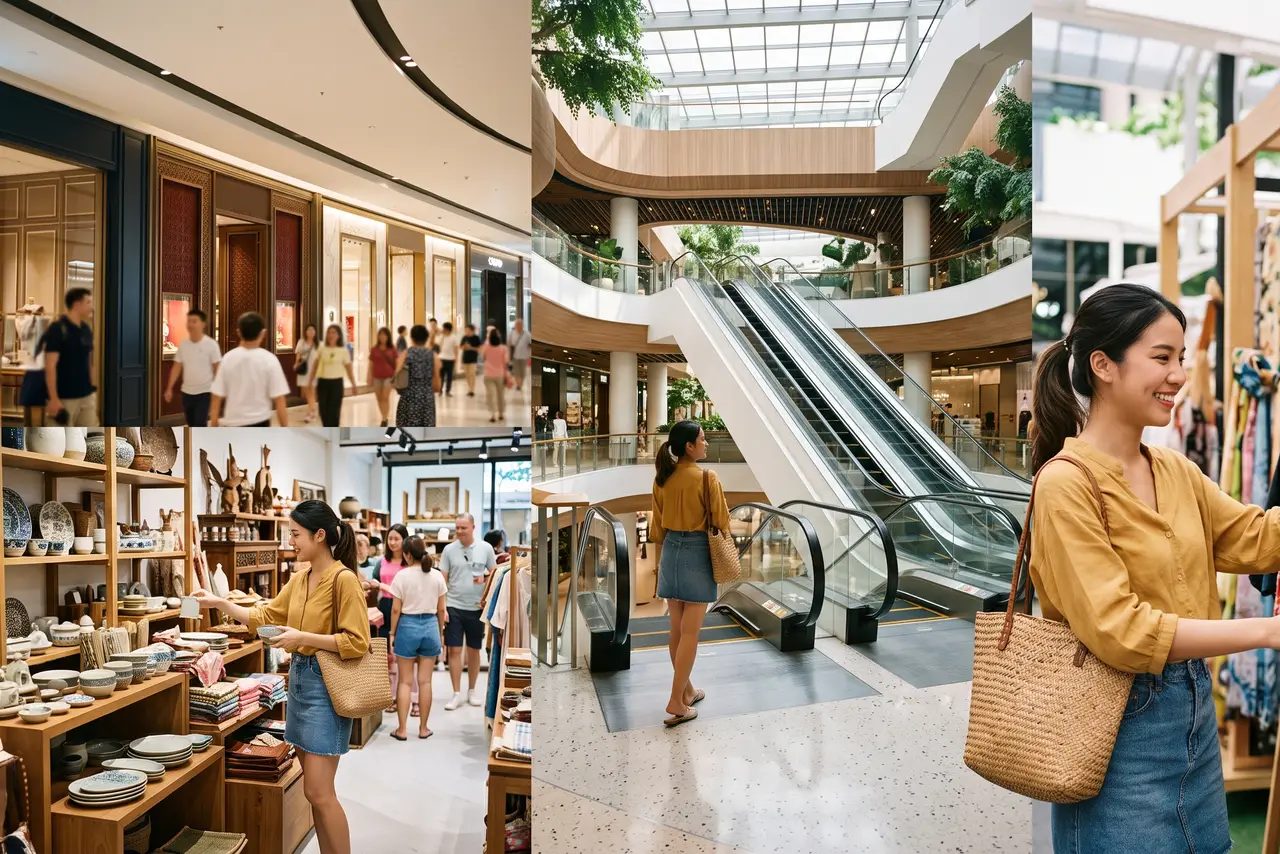
Central Rama 9
4.5Shopping · Huai Khwang & Ratchada
Open nowuntil 22:00Busy nowStep-freeLGBTQ+ friendly
Central Rama 9 in Huai Khwang is a shopping mall with 4.5 stars from 31,220 customer reviews on Rama IX Road.
Pulled from our directory when this page was last rebuilt: featured and Verified listings first, then by rating weighted for how many reviews it rests on.
Frequently asked questions
How much is 100 euros in baht?
At the latest available rate (2026-10-14), 100 EUR converts to about ฿3,759.40. Rates move daily — use the live converter above for any amount or currency pair.
How much is 100 dollars in baht?
At the latest available rate (2026-10-14), 100 USD converts to about ฿3,357.96. Rates move daily — use the live converter above for any amount or currency pair.
Should I exchange money before traveling to Thailand?
You don't need to. Exchange rates in Bangkok — especially at Superrich and similar licensed exchange booths — are typically better than what banks or airport kiosks offer at home. Bring a debit or credit card for the airport transfer and your first ATM withdrawal, then exchange cash or withdraw more once you're in the city.
Do ATMs in Thailand charge fees?
Yes. Every Thai bank charges a flat foreign-card fee per withdrawal — 220 THB at most banks, with some machines now charging up to 350 THB — on top of whatever your home bank charges for a foreign ATM transaction. Because the fee is flat regardless of amount, it's cheaper to make fewer, larger withdrawals than many small ones.
How much cash should I bring to Thailand?
Less than you think. Cards and contactless cover hotels, malls, chains and even many 7-Elevens with no local surcharge, so cash is mainly for street food, markets and taxis. A common approach for a one- to two-week trip is to keep around 5,000–20,000 THB in cash at any time and top up via ATM (fewer, larger withdrawals) or a Superrich-style booth. Always carry at least two cards from different accounts — Thai ATMs retain cards more often than you'd expect, and getting one back can take days.
Should I pay in THB or my home currency?
Always choose to be charged in THB. Many card terminals and ATMs in Thailand offer 'Dynamic Currency Conversion' (DCC) — the option to pay in your home currency instead. It looks convenient but applies a marked-up exchange rate that's almost always worse than letting your own bank convert THB at the standard rate.
Where can I get the best exchange rate in Bangkok?
Superrich (the orange-branded Superrich Thailand and the green-branded Superrich 1965 are separate companies) and similar licensed exchange booths around Bangkok — many near BTS stations and in malls — consistently offer among the best rates in the country. Banks are a reasonable backup; airport counters are almost always the worst option.