Loy Krathong
Thailand's Festival of Lights, when small floating offerings of banana leaf, flowers and candles drift down rivers and canals on the November full moon.
Next dates
24 November 2026
24 November 2026
Set by the Thai lunar calendar: Loy Krathong falls on the evening of the full moon of the 12th lunar month, which lands on 24 November in 2026 (the astronomical full moon peaks at 14:53 UTC / 21:53 Bangkok time that day). Because it's a lunar date, it shifts every year — some tourism operators extend festivities across 23–25 November, but the core date is the 24th.
History & meaning
Loy Krathong ("to float a basket") is usually traced to the old Sukhothai kingdom, though its precise origins are debated. The tradition centers on the krathong itself — a small, biodegradable raft traditionally made from a slice of banana-tree trunk, folded banana leaves, flowers, incense and a candle — set afloat on a river, canal or pond on the night of the full moon.
Floating the krathong is understood as an act of letting go: paying respects to the water spirits, and symbolically releasing the past year's bad luck, grudges and misfortune along with a few strands of hair or fingernail clippings placed on the raft. It's a gentle, reflective counterpart to the boisterous energy of Songkran.
What to expect
As dusk falls, riversides, canals and hotel pools across the country fill with people lighting candles and setting krathongs adrift — the water surface glittering with hundreds of small, drifting lights. In Bangkok, the Chao Phraya riverside (piers around Asiatique, Wat Arun and the Rattanakosin waterfront) draws huge crowds; temples with ponds, like Wat Saket, offer a calmer alternative.
Sukhothai Historical Park, considered the festival's spiritual home, stages elaborate light-and-sound shows among its ancient ruins, and Chiang Mai layers its own Lanna-style Yi Peng lantern releases on top of the same full-moon night, making it the single most photographed Loy Krathong destination in the country.
Practical tips
- Buy a krathong from a riverside vendor rather than bringing one — they're cheap (typically 20–50 THB), fresh, and biodegradable, unlike styrofoam versions that are now discouraged or banned in many areas.
- Arrive at riverside viewpoints well before dark — the best spots along the Chao Phraya fill up quickly and pier access can get crowded.
- If you're combining it with Yi Peng in Chiang Mai, book any ticketed lantern-release event (like the official CAD Khom Loy events) weeks in advance — they sell out.
- Watch your step near the water's edge after dark; riverside paths and piers can be slippery and poorly lit during the crush of festival crowds.
- Bring cash — most krathong vendors and street-food stalls near festival sites don't take cards.
Where to experience it
In Bangkok, the Chao Phraya riverside — around Wat Arun, Asiatique and the Rattanakosin waterfront — is where most visitors float their krathong, with hundreds of small lights drifting on the water after dark. For temple ponds and a quieter alternative, Rattanakosin's older temples away from the main piers are a good bet.
Frequently asked questions
What date is Loy Krathong in 2026?
Tuesday, 24 November 2026 — the night of the full moon of the 12th month in the Thai lunar calendar. Because it follows the lunar calendar, the date moves by about 11 days each year on the Western calendar.
What is a krathong made of?
Traditionally a slice of banana-tree trunk topped with folded banana leaves, flowers, incense sticks and a candle. Styrofoam versions exist but are increasingly discouraged for their environmental impact — most vendors now sell fully biodegradable ones made from banana trunk or bread.
Is Loy Krathong the same as Yi Peng?
No, but they overlap. Loy Krathong is a nationwide festival of floating offerings on the water; Yi Peng is a separate, Chiang Mai-based Lanna tradition of releasing paper sky lanterns. In Chiang Mai the two fall on the same full-moon night, so visitors there see both at once.
Where in Bangkok is best for Loy Krathong?
The Chao Phraya riverside near Wat Arun, Asiatique and the Rattanakosin piers is the most popular and atmospheric; for something quieter, several temple ponds around the city (Wat Saket among them) host smaller, calmer krathong-floating.
Is it environmentally responsible to float a krathong?
It's improved a lot in recent years — most vendors now sell krathongs made from banana trunk, bread or ice, which are fully biodegradable or edible for fish, replacing the styrofoam versions of decades past. Choosing one of these is the main thing a visitor can do to keep the tradition low-impact.
Where to stay for Loy Krathong
Krathongs go on the water at the riverside piers and the temple ponds, and the crowds leaving them all want the same boats and taxis after dark — a room you can walk back to is the whole trick. 173 listed in Bangkok under Hotels & Resorts; the 6 shown here average 4.8 across 13,190 Google reviews.
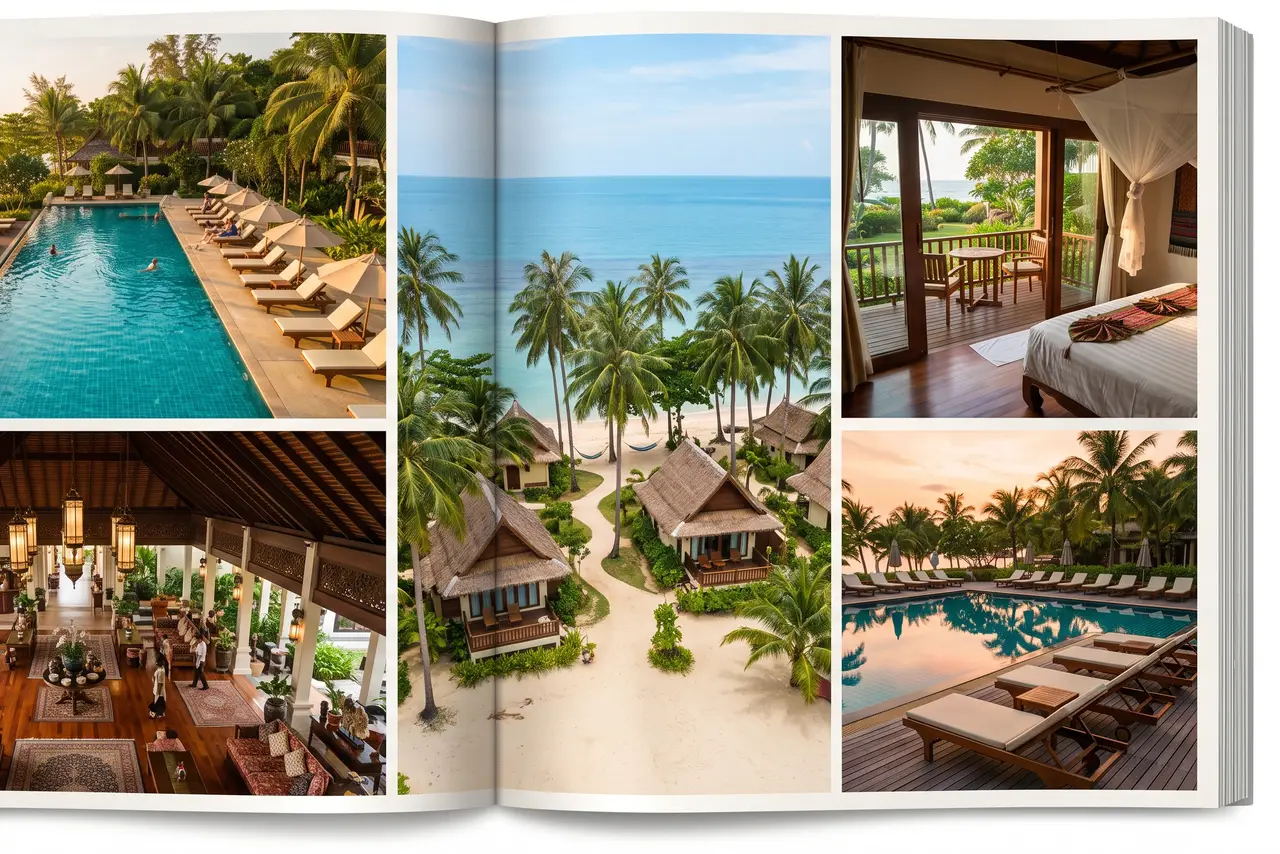 Featured
Mandarin Oriental Bangkok
4.8Hotels & Resorts · Riverside
฿฿฿฿
The grande dame of Bangkok hotels since 1876 — legendary riverside luxury and service.
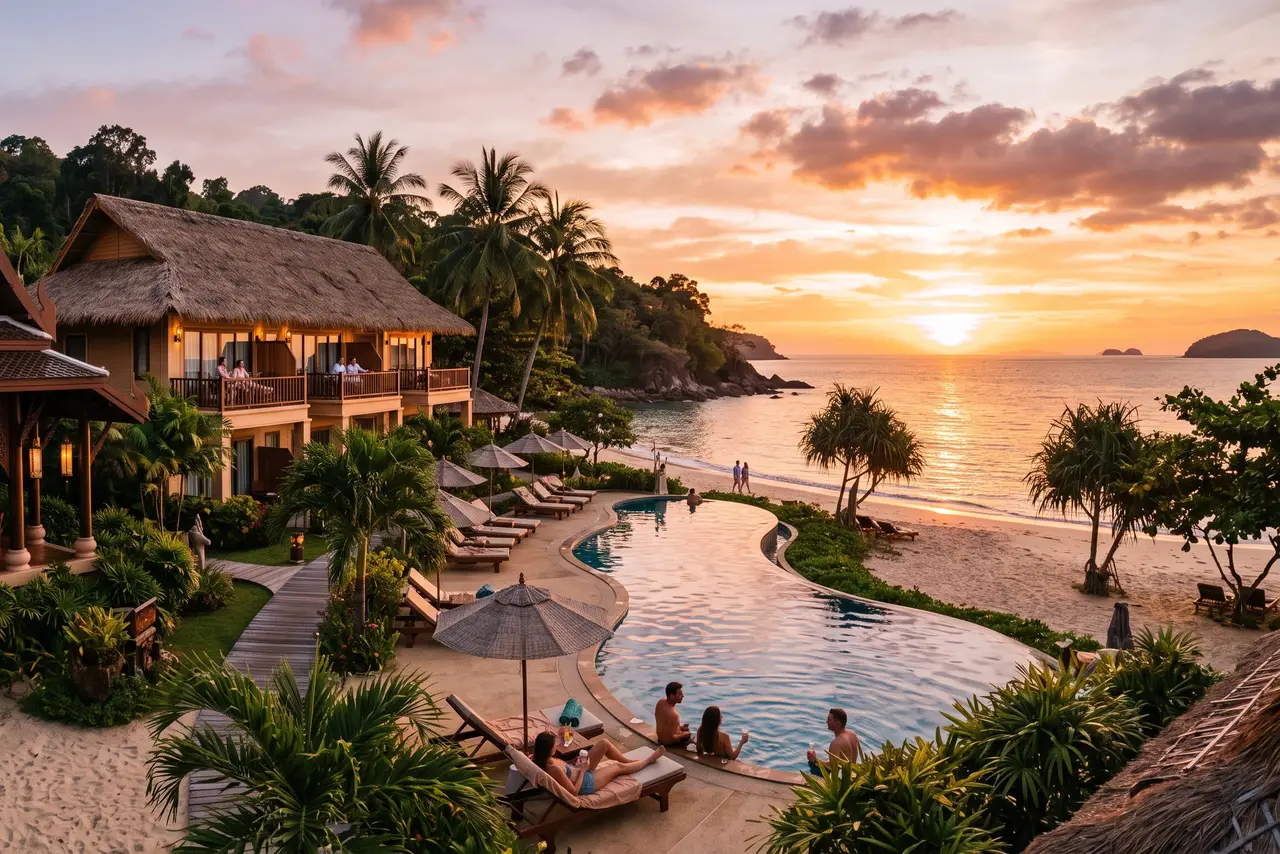
Feel Good Bangkok Hostel
4.9Hotels & Resorts · Thonburi
฿฿Free Wi-Fi
Arun Amarin's Soi Somdej Pra Pinklao 17 is the location of Feel Good Bangkok Hostel, a budget hostel in Thonburi with free Wi-Fi provided for every room.
AREA81 HIDEOUT Hostel Khaosan
4.9Hotels & Resorts · Khao San
฿฿Free Wi-Fi
Bar space and hostel beds share the building at AREA81 HIDEOUT Hostel on Tani Road in Talat Yot, part of the Khao San district, with free Wi-Fi included.
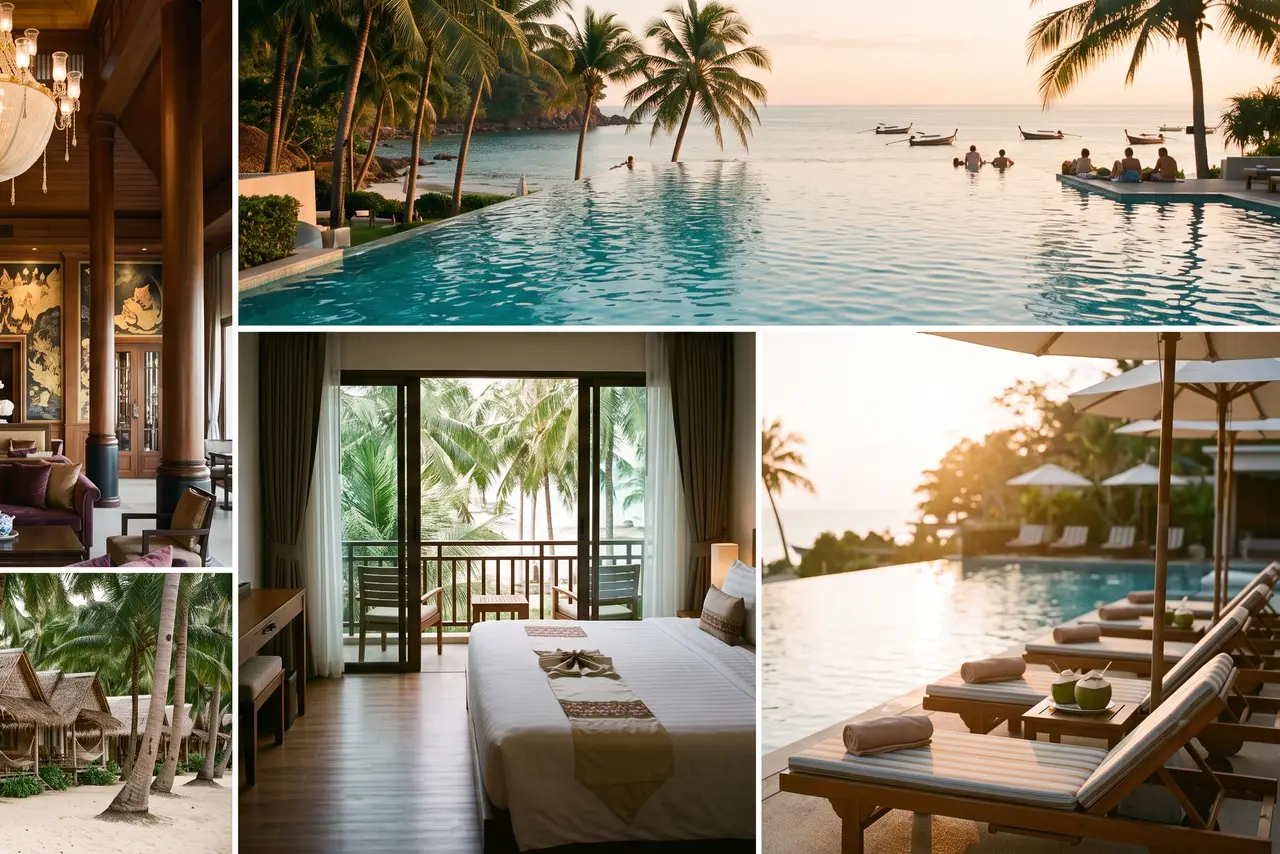
Public House Hotel Bangkok, a Member of Design Hotels
4.8Hotels & Resorts · Sukhumvit
฿฿฿฿LGBTQ+ friendlyFree Wi-Fi
249 Sukhumvit 31 in Khlong Tan Nuea is the address for Public House Hotel Bangkok, a Design Hotels member with free Wi-Fi in the Sukhumvit district.
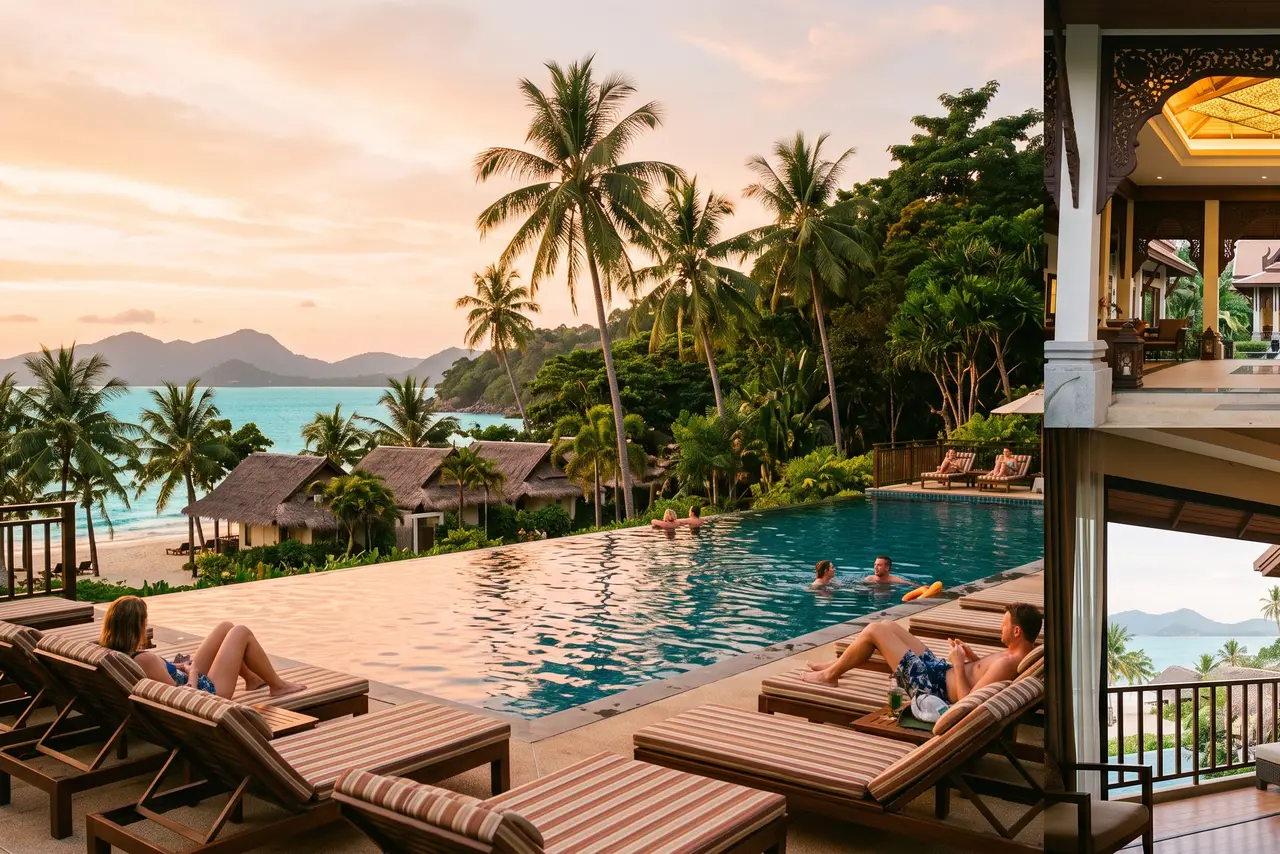
Siam Subway Hostel and Café bangkok
4.8Hotels & Resorts · Rattanakosin (Old City)
฿฿฿Free Wi-Fi
Wang Burapha Phirom's Soi Sam Yot is home to Siam Subway Hostel and Café, combining hostel beds with a coffee shop and free Wi-Fi in Rattanakosin.
Happy Station Bangkok
4.8Hotels & Resorts · Siam (Pathum Wan)
฿฿฿Free Wi-Fi
Rama IV Road in Rong Mueang leads to Happy Station Bangkok, a hotel in the Siam Pathum Wan district with free Wi-Fi included in every room booked.
Pulled from our directory when this page was last rebuilt: featured and Verified listings first, then by rating weighted for how many reviews it rests on.
Getting there, and what else is on
The two biggest versions are in Sukhothai and Chiang Mai, not Bangkok. Bangkok to Sukhothai and Bangkok to Chiang Mai carry the fare and duration bands for both. November is the cool, dry end of the northern year, which is why those flights fill early.
If the dates land inside the next few days, this weekend in Bangkok compiles it alongside the dated events, the openings and the three-day forecast; for the trip around it, planning a Thailand holiday works backwards from the season to the booking.
Other Thai festivals
Yi Peng
Chiang Mai's sky lantern festival, when thousands of glowing khom loy paper lanterns are released into the night on the same full moon as Loy Krathong.
Songkran
Thailand's New Year and the world's biggest water fight — three days of street-soaking, temple visits and family blessings, every 13–15 April.
Related guides
All guides and tools
Arriving
Staying
Moving around
Eating & going out
Rules & safety
Best of Thailand
https://bestofthailand.org/festivals/loy-krathong
Scan or type the address for opening hours, phone numbers and the map.