Songkran
Thailand's New Year and the world's biggest water fight — three days of street-soaking, temple visits and family blessings, every 13–15 April.
Next dates
13–15 April 2027
13–15 April 2027
Fixed by Thai law since 1948: Songkran is always 13–15 April, regardless of what day of the week that falls on. Chiang Mai's celebrations conventionally run a little longer, roughly 12–16 April, and Pattaya's Wan Lai festival extends the water fight into late April.
History & meaning
Songkran takes its name from the Sanskrit word for "passing" or "transformation" — it originally marked the sun's move into Aries on the old solar calendar, and with it the Thai New Year. Long before it was a water fight, it was a quiet, devotional holiday: people cleaned their homes, made merit at temples, and gently poured scented water over Buddha images and over the hands of parents and elders (a gesture called rod nam dam hua) to ask for their blessing.
The water-throwing that now defines Songkran grew out of that same blessing gesture, scaled up from a bowl of water poured respectfully over an elder's hands to buckets, hoses and water guns aimed at total strangers in the street. April is also the hottest month of the year in Thailand, which is no small part of why the tradition caught on so completely.
What to expect
For three days, main streets in every Thai city turn into open-air water fights: pickup trucks loaded with barrels cruise the sois, vendors sell water guns and waterproof pouches on every corner, and nobody — tourist or local — stays dry for long. Alongside the chaos, the New Year's more traditional side continues: morning merit-making at temples, Buddha-image bathing ceremonies, and family visits to pour water over the hands of grandparents and receive their blessing for the year ahead.
Chiang Mai is widely considered the best place to experience Songkran at full scale — the moat around the old city becomes a days-long water battle, with monks' processions and Buddha-image parades woven through the same streets. Bangkok's Khao San Road and Silom Soi 4 turn into some of the densest, loudest water-fight zones in the country, while quieter neighborhoods and most temple grounds keep the holiday's original, calmer character.
Practical tips
- Waterproof everything electronic: a dry bag or a cheap waterproof phone pouch is not optional if you're anywhere near a main road during Songkran.
- Expect ice-cold water, sometimes with a handful of chalky white powder (a talcum-based paste used as a Songkran blessing) — wear clothes you don't mind getting stained, and sunglasses to protect your eyes.
- Roads jam badly and taxis get scarce (and reluctant to pick up soaking-wet passengers) — budget extra time for any journey during the holiday, or walk.
- Banks, government offices and many small businesses close for the full 13–15 April public holiday; some tourist-facing shops and malls stay open.
- If you'd rather stay dry, look for a hotel or mall away from the main water-fight strips — they're easy to find even a block or two off the busiest sois.
Where to experience it
Bangkok's own Songkran is best on Khao San Road and Silom Soi 4, the city's most intense water-fight zones — expect huge crowds, loud music and no chance of staying dry. For a bigger, more traditional atmosphere with the same water fight, Chiang Mai's old-city moat is widely considered the country's best Songkran destination.
Frequently asked questions
When exactly is Songkran?
Songkran is always 13–15 April — it's a fixed date, not a lunar one, so it never moves. Chiang Mai's celebrations often run 12–16 April, and Pattaya extends its Wan Lai water festival into the following week.
Is Songkran the same as Thai New Year?
Yes — Songkran is Thailand's traditional New Year, rooted in the old solar calendar. Thailand also observes 1 January as the official calendar New Year, but Songkran remains the culturally significant one, with the biggest public holiday and the most widely celebrated traditions.
Where is the best place to experience Songkran?
Chiang Mai's old city, ringed by its historic moat, is generally considered the most spectacular and immersive. In Bangkok, Khao San Road and Silom Soi 4 are the most intense water-fight zones; Sukhumvit's sois also get busy but are somewhat calmer.
Will I get soaked even if I don't want to join in?
On the main water-fight streets, almost certainly — Songkran is a full-contact, no-exceptions tradition and tourists are considered fair game. Stick to side streets, malls or hotel grounds away from the main sois if you want to stay dry.
Is it safe to travel in Thailand during Songkran?
Songkran coincides with one of Thailand's deadliest periods on the roads, largely due to holiday travel volume; if you're driving or riding a motorbike, be extra cautious, avoid alcohol before riding, and consider public transport or taxis instead for longer trips.
Where to stay for Songkran
Khao San Road and Silom Soi 4 are inside the water fight for three days — fine if that's the plan, loud if it isn't, and taxis avoid soaked passengers either way, so being able to walk back matters more than usual. 173 listed in Bangkok under Hotels & Resorts; the 6 shown here average 4.8 across 13,190 Google reviews.
 Featured
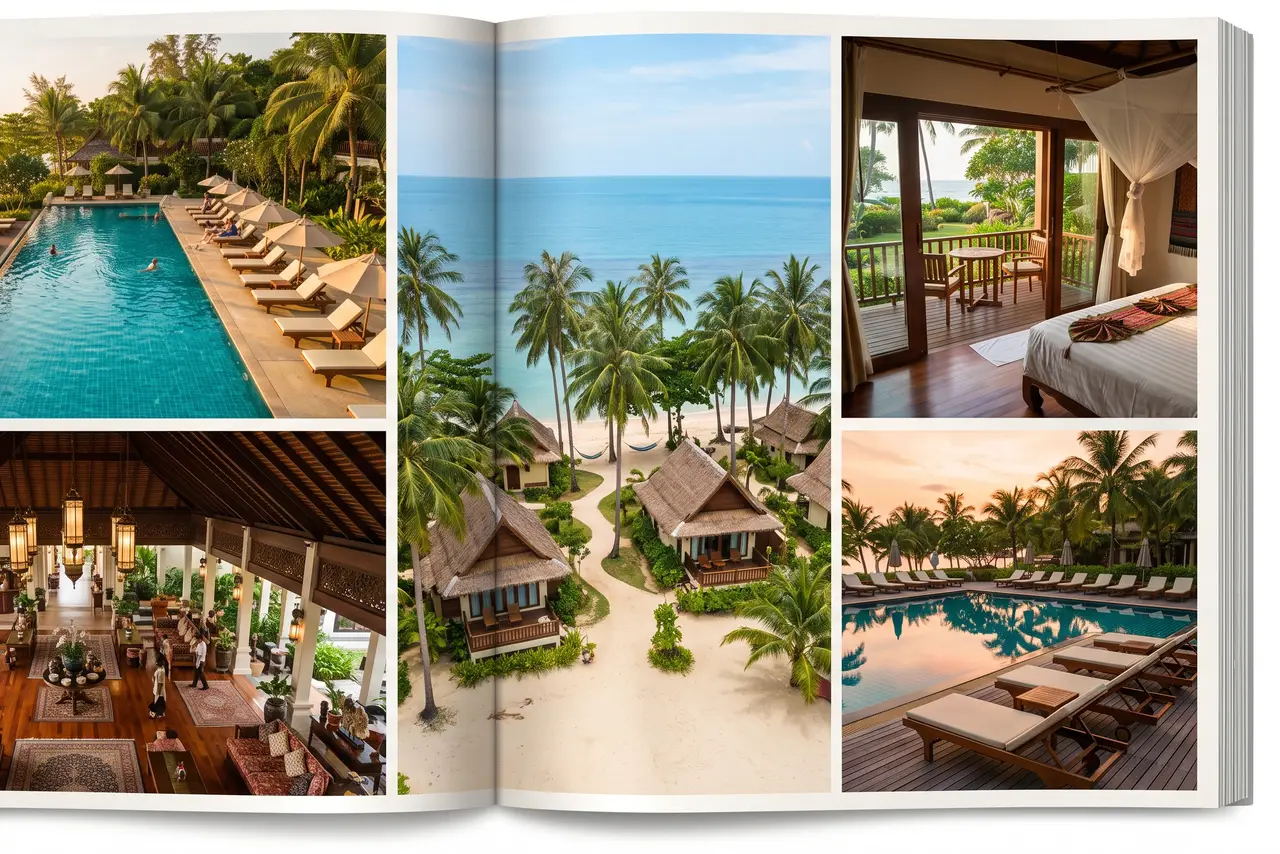
Mandarin Oriental Bangkok
4.8Hotels & Resorts · Riverside
฿฿฿฿
The grande dame of Bangkok hotels since 1876 — legendary riverside luxury and service.
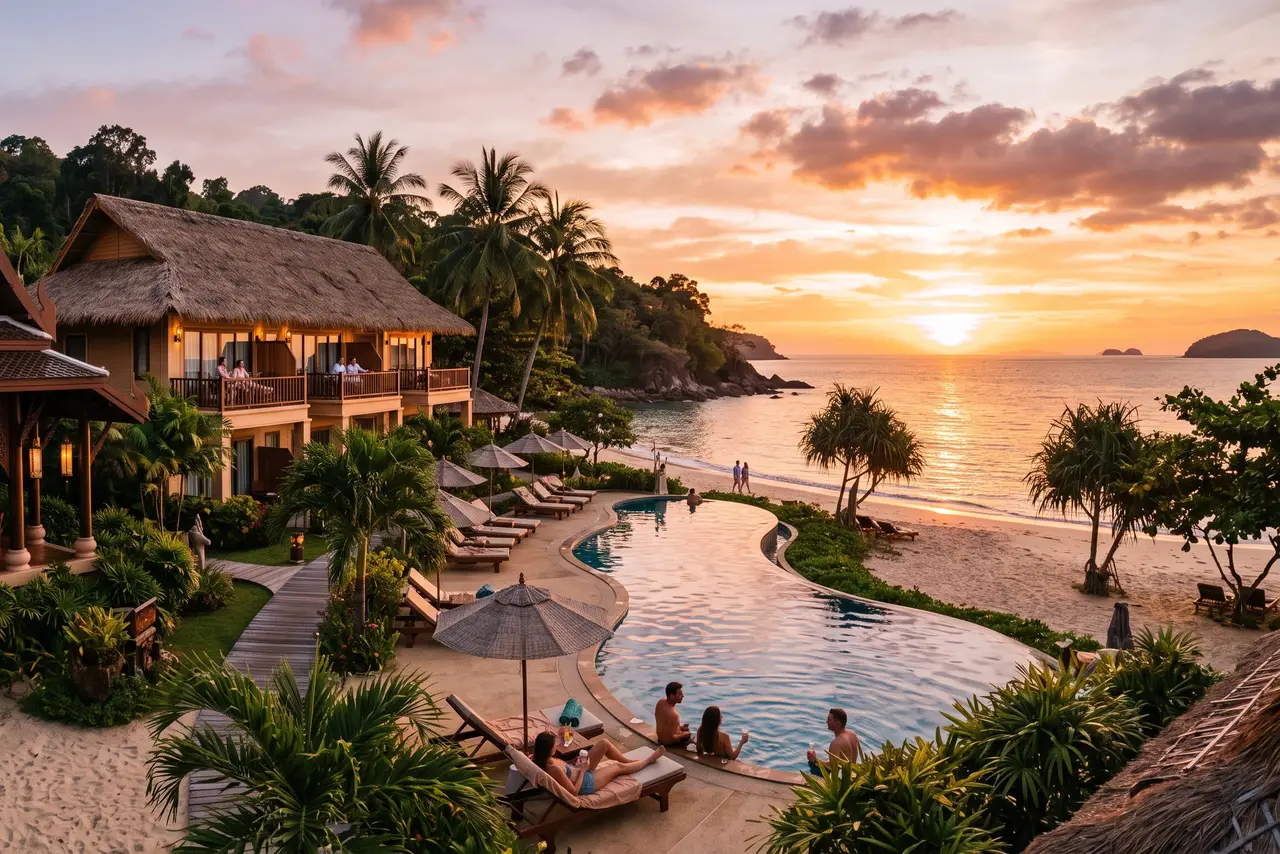
Feel Good Bangkok Hostel
4.9Hotels & Resorts · Thonburi
฿฿Free Wi-Fi
Arun Amarin's Soi Somdej Pra Pinklao 17 is the location of Feel Good Bangkok Hostel, a budget hostel in Thonburi with free Wi-Fi provided for every room.
AREA81 HIDEOUT Hostel Khaosan
4.9Hotels & Resorts · Khao San
฿฿Free Wi-Fi
Bar space and hostel beds share the building at AREA81 HIDEOUT Hostel on Tani Road in Talat Yot, part of the Khao San district, with free Wi-Fi included.
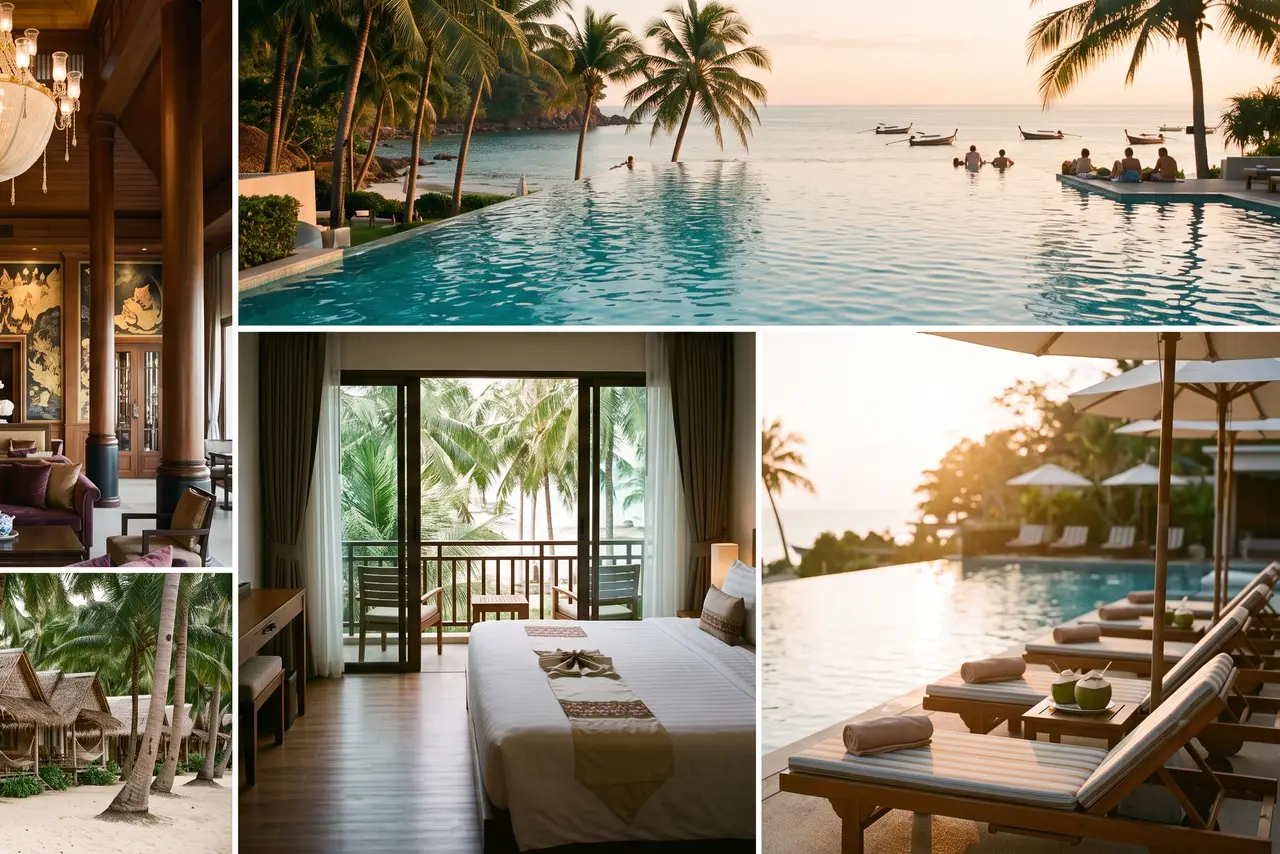
Public House Hotel Bangkok, a Member of Design Hotels
4.8Hotels & Resorts · Sukhumvit
฿฿฿฿LGBTQ+ friendlyFree Wi-Fi
249 Sukhumvit 31 in Khlong Tan Nuea is the address for Public House Hotel Bangkok, a Design Hotels member with free Wi-Fi in the Sukhumvit district.
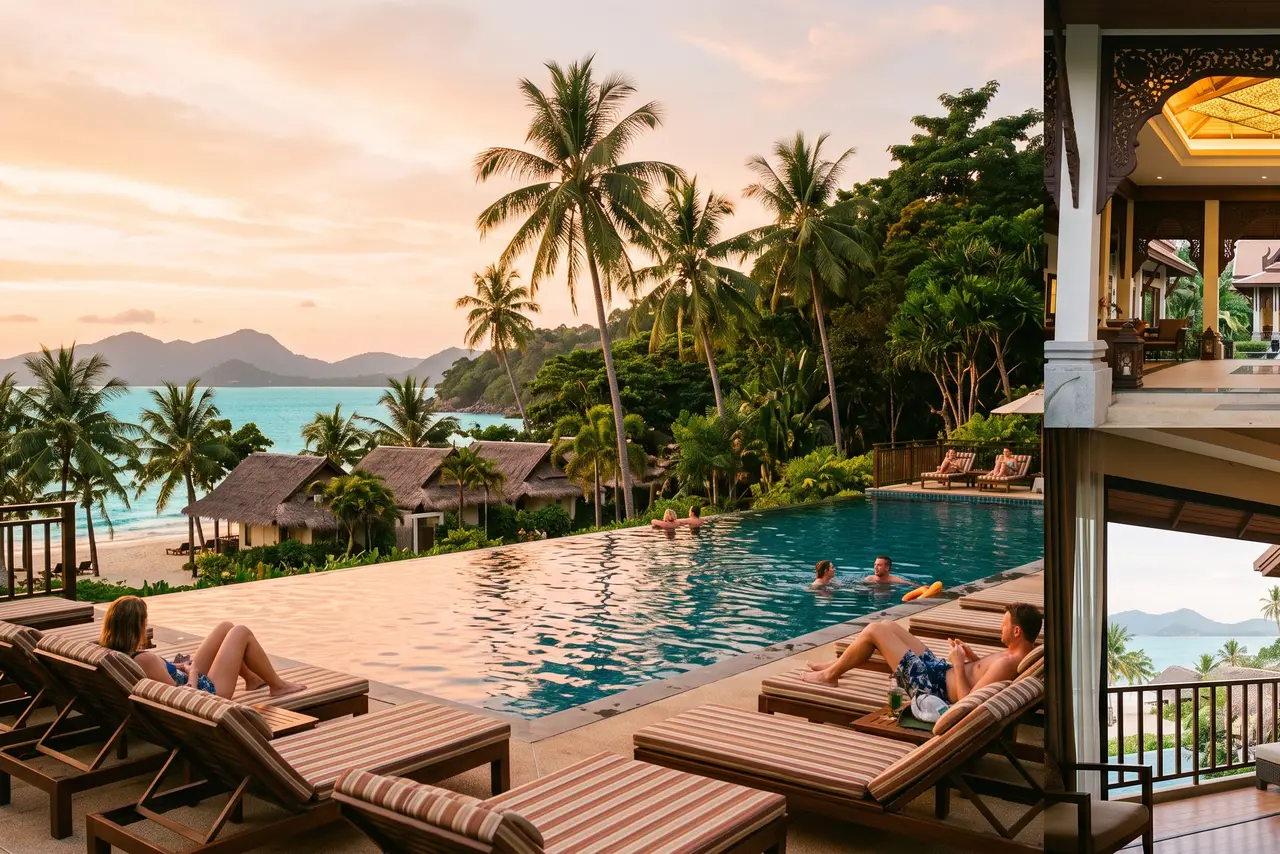
Siam Subway Hostel and Café bangkok
4.8Hotels & Resorts · Rattanakosin (Old City)
฿฿฿Free Wi-Fi
Wang Burapha Phirom's Soi Sam Yot is home to Siam Subway Hostel and Café, combining hostel beds with a coffee shop and free Wi-Fi in Rattanakosin.
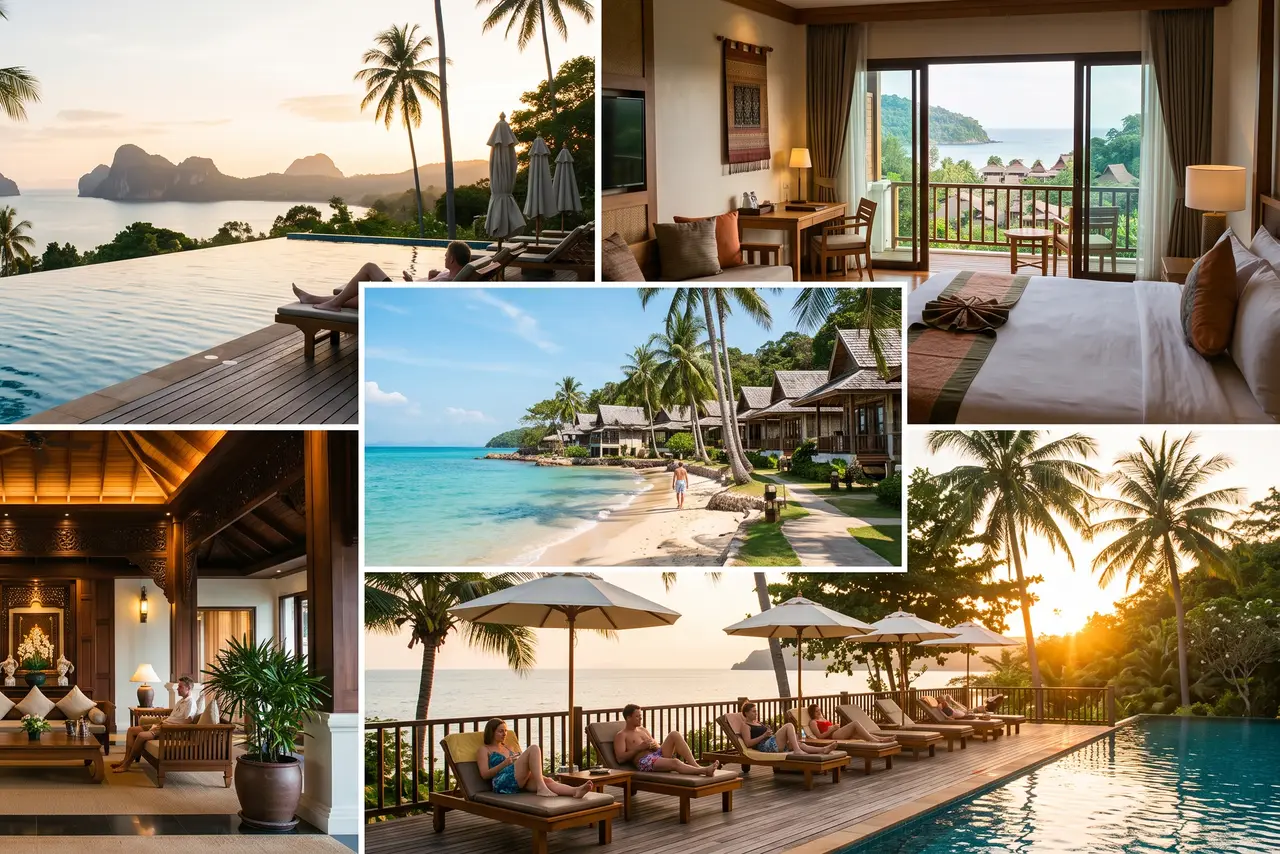
Happy Station Bangkok
4.8Hotels & Resorts · Siam (Pathum Wan)
฿฿฿Free Wi-Fi
Rama IV Road in Rong Mueang leads to Happy Station Bangkok, a hotel in the Siam Pathum Wan district with free Wi-Fi included in every room booked.
Pulled from our directory when this page was last rebuilt: featured and Verified listings first, then by rating weighted for how many reviews it rests on.
Getting there, and what else is on
Mid-April is the busiest week of the year at both Bangkok airports and on every intercity road. Airport to city says how much check-in margin to add, and getting around Bangkok covers the BTS and MRT, which keep running when the roads do not.
If the dates land inside the next few days, this weekend in Bangkok compiles it alongside the dated events, the openings and the three-day forecast; for the trip around it, planning a Thailand holiday works backwards from the season to the booking.
Other Thai festivals
Loy Krathong
Thailand's Festival of Lights, when small floating offerings of banana leaf, flowers and candles drift down rivers and canals on the November full moon.
Chinese New Year
Lunar New Year celebrations centered on Bangkok's Yaowarat (Chinatown), with lion dances, firecrackers, street feasts and red lanterns for days on end.
Related guides
All guides and tools
Arriving
Staying
Moving around
Eating & going out
Rules & safety
Best of Thailand
https://bestofthailand.org/festivals/songkran
Scan or type the address for opening hours, phone numbers and the map.