Phuket Vegetarian Festival
Nine days of Taoist ritual purification in Phuket — white-clad processions, street shrines and, for a small number of participants, dramatic acts of self-mortification.
Next dates
10–18 October 2026
10–18 October 2026
Set by the Chinese lunar calendar: the festival runs for the first nine days of the ninth lunar month, which corresponds to 10–18 October 2026. A pole-raising ceremony on 9 October marks the ritual start, and a pole-lowering ceremony on 19 October formally closes it.
History & meaning
The festival dates to the 1820s, when a traveling Chinese opera troupe in Phuket fell seriously ill with malaria; the story goes that they recovered after observing a strict nine-day vegetarian diet and ritual purification in honor of the Nine Emperor Gods, and the practice was adopted by the local community and has continued ever since.
At its core it's a Taoist purification rite: participants (called ma song, or "entranced horses") abstain from meat, alcohol and other indulgences for the nine days, and some enter a trance state believed to let a deity pass through them unharmed by acts that would otherwise cause serious injury — the origin of the festival's famous, and genuinely graphic, body-piercing processions.
What to expect
Streets around Phuket Town's Chinese shrines fill with vendors selling yellow-flagged vegetarian food (widely available and easy for any visitor to eat during the festival), while devotees dressed head-to-toe in white parade through town behind incense-carrying processions and shrine floats.
The festival's most talked-about moments are the mediums who, in a trance state, pierce their cheeks with skewers, knives, tridents and other objects, or walk across hot coals and up ladders of blades — striking to witness, and genuinely intense; these rituals are concentrated at specific shrines (Jui Tui and Bang Niew are the best known) on specific mornings, and are not the festival's only or even main activity.
Practical tips
- The piercing processions happen early morning (often before 8am) at specific shrines on specific days — check the current year's shrine schedule locally rather than assuming it happens continuously all nine days.
- If graphic body piercing isn't for you, you can still enjoy the festival fully through the food stalls, temple offerings and evening processions, which are far more accessible and equally central to the celebration.
- Look for the yellow flag and yellow banners marking vegetarian ('jay') food stalls — the food is genuinely good and this is the easiest, most everyday way to take part.
- Firecrackers are set off constantly and at close range near processions — keep a respectful distance and protect your ears.
- Dress modestly and avoid wearing black or dark colors near shrines, which is considered inappropriate during the festival; white is the customary color for participants.
Where to experience it
The festival's heart is Phuket Town, not Bangkok — Jui Tui and Bang Niew shrines host the largest processions and the well-known piercing rituals. Bangkok's own Yaowarat (Chinatown), home to several Chinese shrines, runs a smaller version of the same festival if you can't make it to Phuket, with the same yellow-flagged vegetarian food stalls appearing around the district.
Frequently asked questions
When is the Phuket Vegetarian Festival in 2026?
10–18 October 2026, the first nine days of the ninth month in the Chinese lunar calendar. A pole-raising ceremony on 9 October marks the ritual start, with a pole-lowering ceremony on 19 October closing it.
Is it safe to watch the body-piercing rituals?
Yes, as a spectator — the rituals themselves are performed by consenting devotees in a trance state under the supervision of shrine attendants. Keep back from the immediate procession path, since these are crowded, fast-moving events with fire, sharp objects and firecrackers involved.
Do I have to eat vegetarian food during the festival?
No — it's a personal or devotional choice for participants, not a requirement for visitors. That said, vegetarian ('jay') food is everywhere, cheap, and often excellent, so it's an easy and enjoyable way to experience the festival even if you're not fasting.
Where is the best place to see the festival in Phuket?
Phuket Town, especially around Jui Tui and Bang Niew shrines, hosts the largest processions and the most dramatic piercing rituals. Soi Rommanee and the surrounding old town streets fill with vegetarian food stalls throughout the nine days.
Does the Vegetarian Festival happen anywhere else in Thailand?
Yes — smaller observances take place in Trang, Phang Nga, and at Chinese shrines in Bangkok's Yaowarat (Chinatown), though Phuket's version is by far the largest and most elaborate, and the one most associated with the festival internationally.
Where to stay for Phuket Vegetarian Festival
Phuket Town is the festival's centre; Bangkok's Yaowarat runs the smaller version around the same shrines, and these are the Bangkok hotels we track: 173 listed in Bangkok under Hotels & Resorts; the 6 shown here average 4.8 across 13,190 Google reviews.
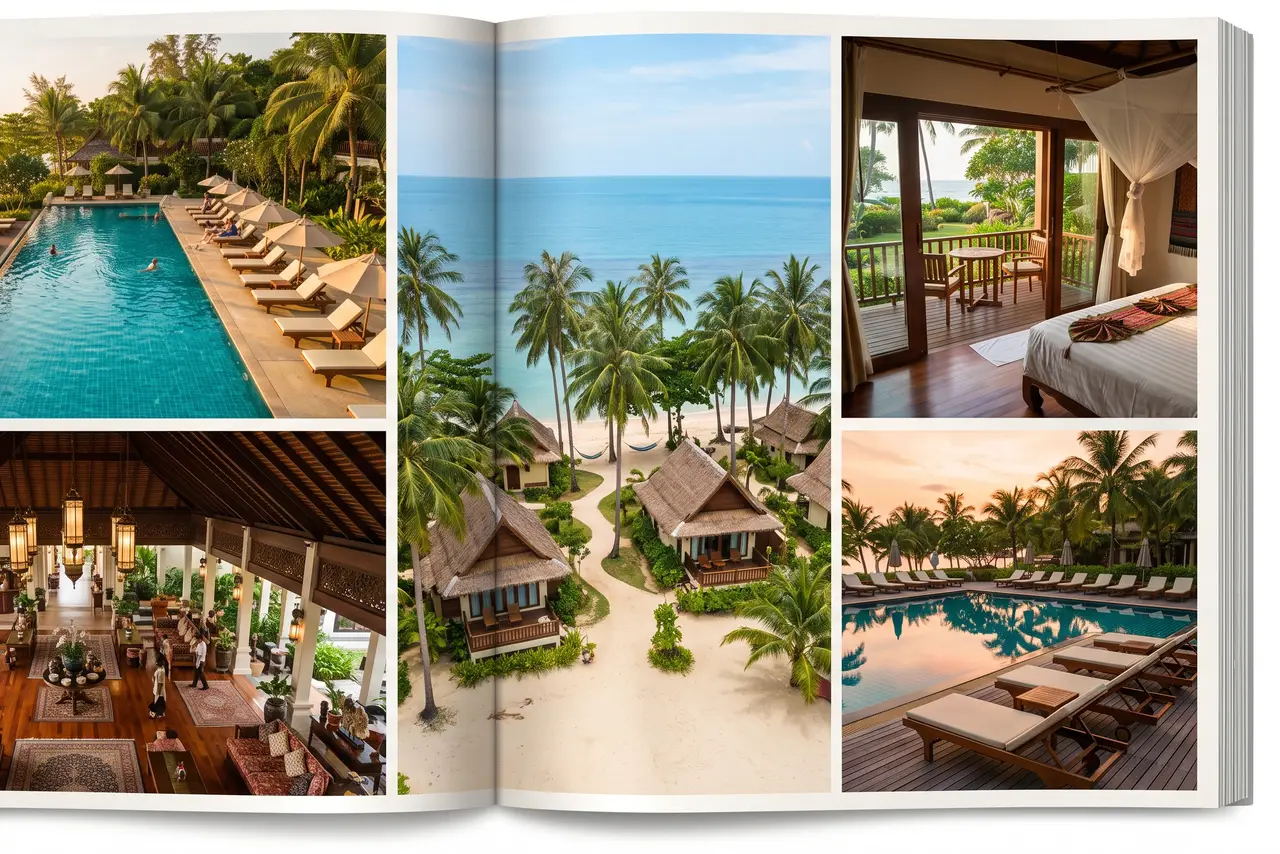 Featured
Mandarin Oriental Bangkok
4.8Hotels & Resorts · Riverside
฿฿฿฿
The grande dame of Bangkok hotels since 1876 — legendary riverside luxury and service.

Feel Good Bangkok Hostel
4.9Hotels & Resorts · Thonburi
฿฿Free Wi-Fi
Arun Amarin's Soi Somdej Pra Pinklao 17 is the location of Feel Good Bangkok Hostel, a budget hostel in Thonburi with free Wi-Fi provided for every room.
AREA81 HIDEOUT Hostel Khaosan
4.9Hotels & Resorts · Khao San
฿฿Free Wi-Fi
Bar space and hostel beds share the building at AREA81 HIDEOUT Hostel on Tani Road in Talat Yot, part of the Khao San district, with free Wi-Fi included.

Public House Hotel Bangkok, a Member of Design Hotels
4.8Hotels & Resorts · Sukhumvit
฿฿฿฿LGBTQ+ friendlyFree Wi-Fi
249 Sukhumvit 31 in Khlong Tan Nuea is the address for Public House Hotel Bangkok, a Design Hotels member with free Wi-Fi in the Sukhumvit district.

Siam Subway Hostel and Café bangkok
4.8Hotels & Resorts · Rattanakosin (Old City)
฿฿฿Free Wi-Fi
Wang Burapha Phirom's Soi Sam Yot is home to Siam Subway Hostel and Café, combining hostel beds with a coffee shop and free Wi-Fi in Rattanakosin.
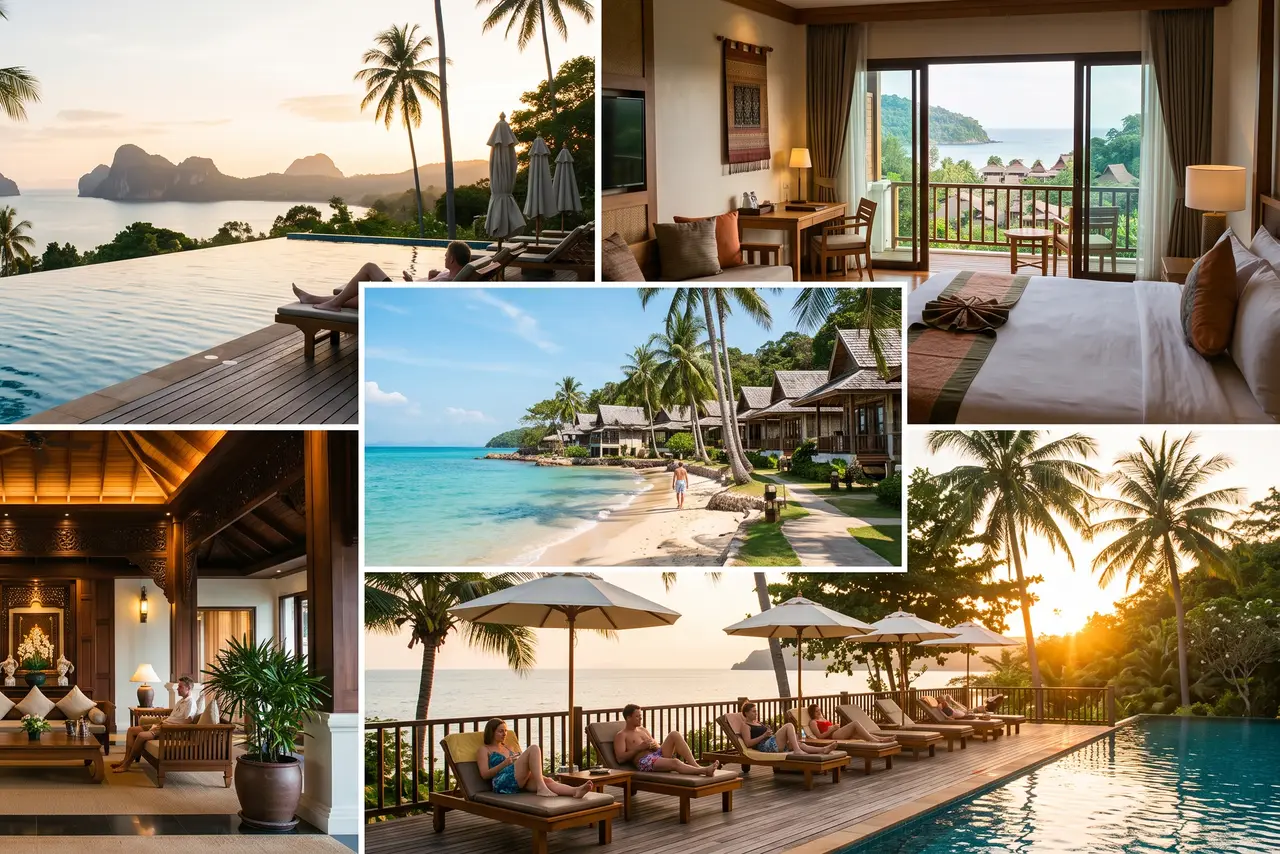
Happy Station Bangkok
4.8Hotels & Resorts · Siam (Pathum Wan)
฿฿฿Free Wi-Fi
Rama IV Road in Rong Mueang leads to Happy Station Bangkok, a hotel in the Siam Pathum Wan district with free Wi-Fi included in every room booked.
Pulled from our directory when this page was last rebuilt: featured and Verified listings first, then by rating weighted for how many reviews it rests on.
Getting there, and what else is on
It runs in Phuket town, a flight or an overnight bus from Bangkok — Bangkok to Phuket prices both — and Phuket in September and October is the wet end of the Andaman year, which the street processions do not pause for.
If the dates land inside the next few days, this weekend in Bangkok compiles it alongside the dated events, the openings and the three-day forecast; for the trip around it, planning a Thailand holiday works backwards from the season to the booking.
Other Thai festivals
Chinese New Year
Lunar New Year celebrations centered on Bangkok's Yaowarat (Chinatown), with lion dances, firecrackers, street feasts and red lanterns for days on end.
Loy Krathong
Thailand's Festival of Lights, when small floating offerings of banana leaf, flowers and candles drift down rivers and canals on the November full moon.
Related guides
All guides and tools
Arriving
Staying
Moving around
Eating & going out
Rules & safety
Best of Thailand
https://bestofthailand.org/festivals/vegetarian-festival
Scan or type the address for opening hours, phone numbers and the map.